
TMJ & Jaw Pain Management
Gentle, evidence-based care focused on relieving jaw tension, clicking, and the structural strain of deep concentration.
The Silent Strain of Desk Work
If you spend hours at a desk, you may find yourself unconsciously clenching your jaw while reading emails or concentrating deeply. Combined with a "forward head posture" common in office environments, this places immense, continuous strain on your Temporomandibular Joint (TMJ).
Over time, this biomechanical overload manifests as painful clicking when you chew, restricted jaw movement, waking up with a sore face, or persistent temporal headaches.
Because the jaw is incredibly delicate and intimately connected to the cervical spine, it requires highly specialized, gentle care. Our clinic prioritizes a thorough evaluation of both your jaw mechanics and your neck posture to find the true root of the tension.
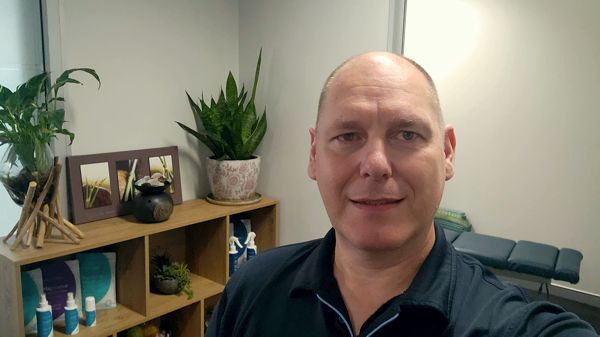
Specialized Expertise in TMJ Dysfunction
Our clinical objective is to restore smooth, pain-free tracking of your jaw, eliminate chronic clenching patterns, and improve your daily comfort without relying on temporary fixes.
We provide ethical, transparent care. You will receive a clear diagnosis and a management plan without the pressure of rigid, upfront care contracts.
A Foundation in TMJ Research
Dr. Jan Jones possesses a deep, specialized clinical interest in temporomandibular joint dysfunction. His dedication to this specific area of biomechanics was cemented during his academic career, where his extensive Master’s Degree thesis on TMJ treatment earned him the prestigious Unilever Travel Award. This foundational research informs the precise, evidence-based, and gentle approach utilized at Silky Oak Chiropractic today.
Frequently Asked Questions
Why do desk workers frequently suffer from TMJ or jaw pain?
Prolonged desk work often leads to "forward head posture," which significantly alters the resting position of the jaw and places immense strain on the temporomandibular joint. Combined with the stress of deep concentration, this often results in unconscious teeth clenching (bruxism), leading to muscle fatigue and joint pain.
Is chiropractic treatment for the jaw painful?
No, our approach to the TMJ is highly focused on gentle care. We utilize specialized cranial therapy and targeted soft tissue release techniques to relax the muscles of mastication without forceful or aggressive manipulation of the jaw itself.
How is the neck connected to my jaw clicking?
The jaw (TMJ) and the upper cervical spine (neck) share a complex biomechanical and neurological relationship. Dysfunction, stiffness, or postural abnormalities in the upper neck almost always influence the tracking and mechanics of the jaw. This is why we assess and treat both areas concurrently for lasting relief.